Wearables · Field note 038
Nothing may split its smart glasses into AI and audio models
A report points to one camera-equipped pair with ChatGPT and a simpler companion focused on calls, audio, and voice assistants.
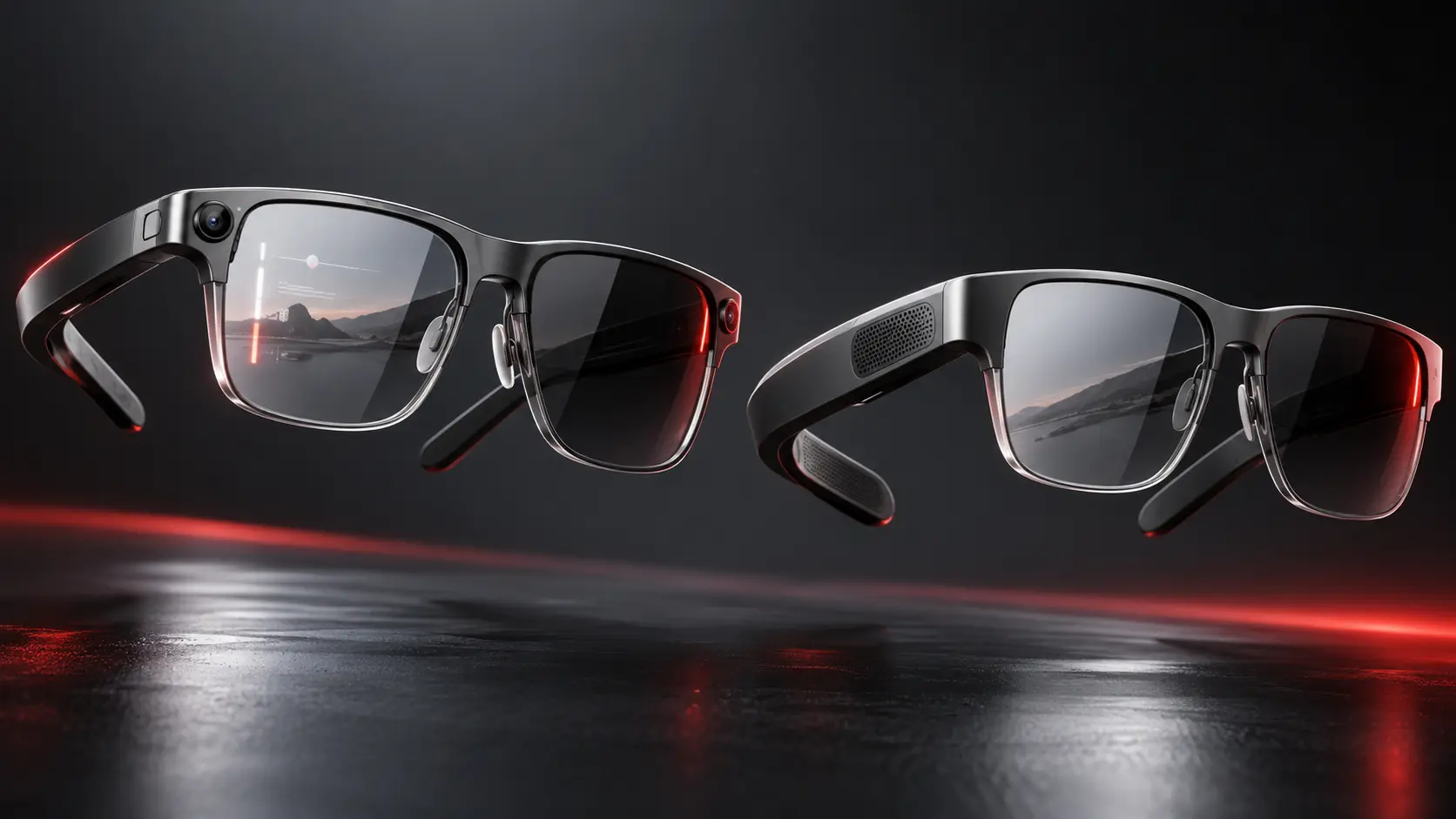
Nothing may approach smart glasses as two products instead of forcing every buyer into the same camera-and-AI package.
The company is reportedly preparing a pair comparable in concept to Ray-Ban Meta glasses, with a built-in camera and artificial-intelligence features such as translation. A second model would strip out the camera and direct AI integration, functioning instead as wearable headphones for calls, media, and access to a phone’s voice assistant.
Both models are said to use photochromic lenses that darken in brighter conditions. Earlier reporting placed Nothing’s entry into smart glasses sometime in 2027, so the products and timing remain unconfirmed.
ChatGPT instead of Android XR
The more ambitious pair would reportedly connect with ChatGPT rather than Google’s Gemini. That would keep the glasses aligned with Nothing’s existing work: the company has already built ChatGPT shortcuts and integrations into its phones and earbuds.
It would also distinguish the product from the Android XR direction being developed by Google and its hardware partners. Nothing appears to be considering a lighter platform centered on capture, audio, translation, and an assistant instead of a display-heavy augmented-reality system.
The simpler pair may be the more revealing idea. Cameras create privacy concerns, raise the cost, consume power, and make smart glasses harder to wear in places where recording is unwelcome. Removing them produces something closer to open-ear headphones built into frames — a narrower product, but one that may fit more naturally into daily life.
Two answers to the same wearable problem
The reported strategy recognizes that “smart glasses” describes several different products. Some buyers want a hands-free camera and an AI companion. Others want discreet audio without another object in their ears, and may prefer to leave computation on the phone they already carry.
Nothing would still face the difficult parts of the category: comfortable weight, acceptable battery life, good microphones in wind, prescription-lens support, and a design people want to wear all day. Transition lenses would help both models move between indoor and outdoor use, but they do not solve those fundamentals.
A two-model launch could give Nothing room to test both futures. One pair treats glasses as the next AI device; the other treats them as a better-shaped set of headphones. The report is not yet a product announcement, but the split makes more sense than pretending every customer wants a camera on their face.